The Economist: Russia, China, Iran, and North Korea form a real axis of cooperation
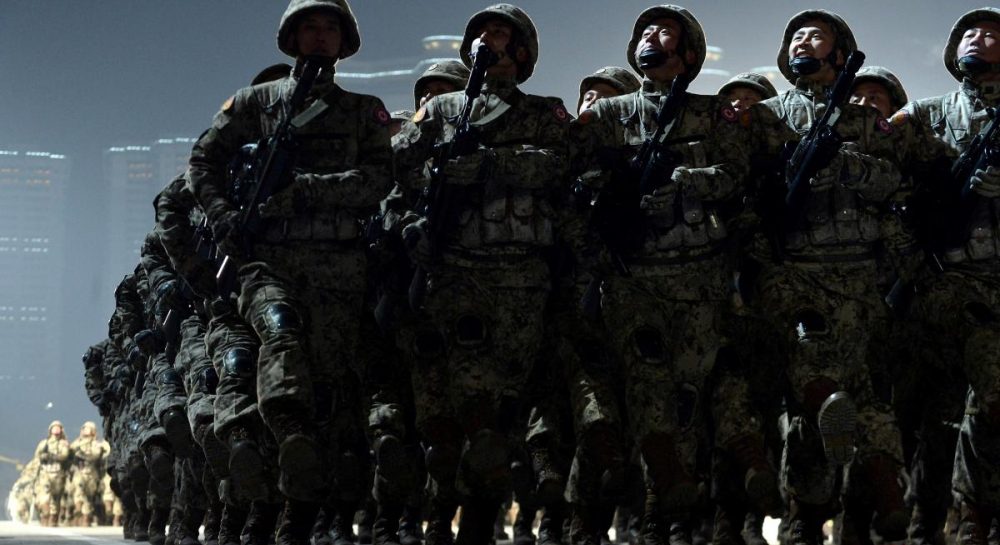
The Economist reports that four authoritarian regimes are increasingly coordinating their efforts, sharing military technology, intelligence, and strategies to bypass sanctions.
 💡Tech
Photo: UNIAN
Key points
- Formation of an informal axis between Russia, China, Iran, and North Korea
- Over 600 instances of security cooperation since 2019
- Collaborative efforts to bypass international sanctions
A growing challenge to global security
The Economist highlights that Russia, China, Iran, and North Korea are moving toward deeper cooperation. This partnership, which experts describe as a tangible, albeit informal, alliance, involves the exchange of weapons, intelligence, and military expertise. According to the FDD think tank, over 600 instances of security-related cooperation have been recorded between 2019 and 2025, with interaction intensifying significantly following the start of Russia's full-scale invasion of Ukraine.
The nature of the informal alliance
While the group lacks a unified command structure or mutual defense obligations like NATO, its impact on global stability is profound. These nations are developing networks to circumvent Western sanctions and resist external pressure collectively. Although their interests do not always align perfectly, the mutual support provided by these regimes makes each one more resilient and harder for the West to contain individually.
Source UNIAN — unian.ua/world/rosiya-knr-iran-ta-pivnichna-koreya-stvorili-neforma… ↗
Read next
 🏛️Politics
Gasoline and diesel prices drop significantly at Ukrainian filling stations
Leading filling station networks in Ukraine have begun lowering fuel prices, with A-95 gasoline decreasing by more than two hryvnias on average.
 🛡️Security
Death toll from strike on Dymer rises, 7-year-old boy rescued from rubble
The death toll from a hostile attack on an apartment building in Dymer, Kyiv region, has risen to 11. Rescuers successfully freed a seven-year-old boy who spent 14 hours …
 🎭Culture & Sport
Famous American singer Miley Cyrus shares first wedding photos with musician Max Morando
Popular pop star Miley Cyrus has officially confirmed her marriage to drummer Max Morando by sharing the first romantic pictures from the ceremony on her birthday.
 🏛️Politics
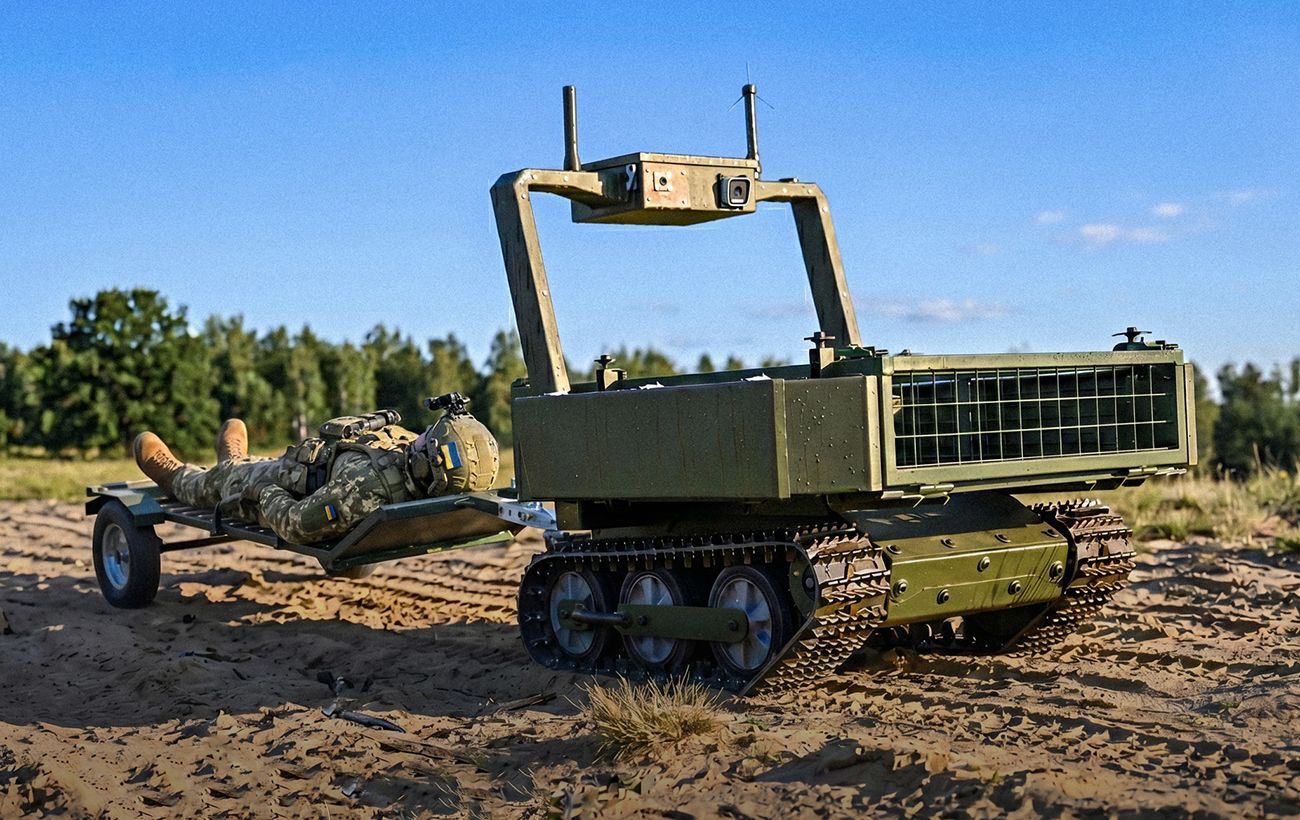
Can Ground Robots Replace Armored Vehicles on the Frontline: Ukrainian Developers' Insights
Unmanned systems manufacturers note that ground robotic complexes are taking over frontline logistics, but they cannot fully replace armored vehicles.
 🎓Education
Reform Quality and EU Integration: Why Ukrainian Laws Often Remain on Paper
The European Commission has published a report on Ukraine's progress toward EU membership, pointing out chronic problems in reform implementation. The main obstacle is no…
 🛡️Security
New-Type Jet Drones: Experts Assess the Threat of Modified Geran-5 UAVs
Russian forces have begun deploying new modifications of Geran-5 strike drones featuring jet engines and improved performance characteristics. According to experts, the h…