Reform Quality and EU Integration: Why Ukrainian Laws Often Remain on Paper
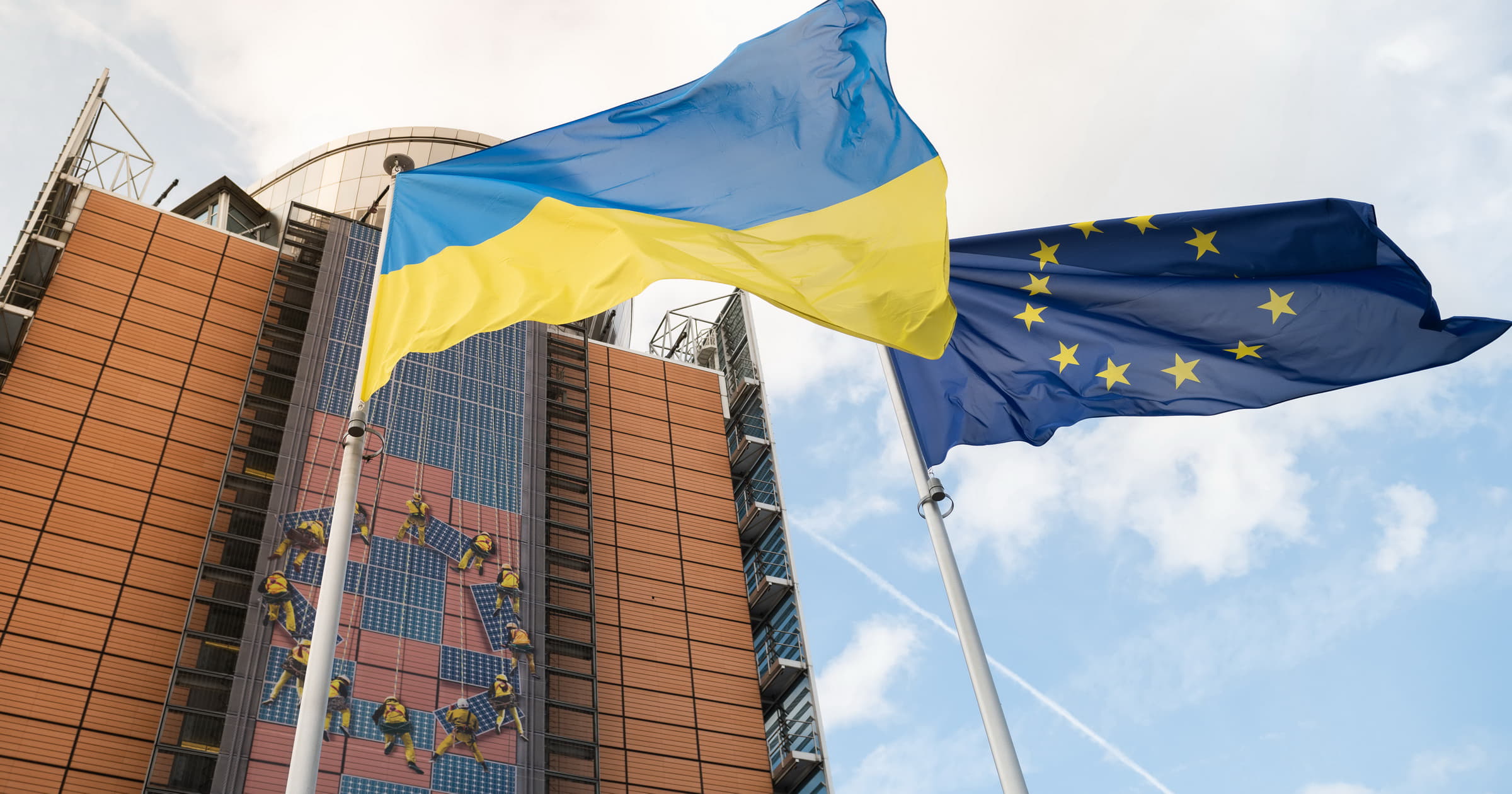
The European Commission has published a report on Ukraine's progress toward EU membership, pointing out chronic problems in reform implementation. The main obstacle is not only a lack of political will, but also a lack of proper preparation and engagement with practitioners.
 🎓Education
Photo: Ukrainska Pravda
Key points
- The European Commission published a report on Ukraine's EU integration in 2026.
- The main problem of reforms is the lack of real implementation mechanisms and resources.
- Created courts and waste laws still do not operate at full capacity.
- It is necessary to involve practitioners and educators in the development of state decisions.
The European Commission has released a new report on Ukraine's implementation of recommendations on its path to the European Union. Despite certain progress in public administration, many of last year's tasks remain only partially fulfilled. An analysis of the document shows that the problem runs deeper than a simple reluctance to change: proposed solutions are often unviable from the very beginning due to a lack of realistic calculations and the infrastructure needed for their implementation.
A striking example is the situation with specialized administrative courts created in 2025, which still do not function properly. The legislative establishment of an institution does not yet guarantee citizens access to justice, as this requires appointed judges, adequate funding, and technical conditions. A similar situation is observed in other sectors, such as waste management or financial reporting, where new rules were adopted without preliminary preparation of the necessary procedures and software.
Lessons for Communities and Educational Initiatives
For local communities and the educational environment, such gaps between the law and practice mean an additional burden. When state bodies and educational institutions are forced to work under new requirements without proper resources, it leads to a waste of time and money in overcoming procedural gaps. Experts emphasize that the system of training personnel and drafting regulations needs to be changed by involving practitioners — educators, entrepreneurs, engineers, and lawyers — at the very stage of designing changes.
Successful European integration requires not just reporting on written laws, but verifying the actual operability of mechanisms. If communities and businesses warn about the unviability of norms, the state must take these warnings into account before documents enter into force. Only with the condition of quality training for managers and thorough infrastructure preparation will European standards become a reality for every citizen.
Source Ukrainska Pravda — pravda.com.ua/columns/2026/11/23/8064137/ ↗
Read next
 🛡️Security
New-Type Jet Drones: Experts Assess the Threat of Modified Geran-5 UAVs
Russian forces have begun deploying new modifications of Geran-5 strike drones featuring jet engines and improved performance characteristics. According to experts, the h…
 💼Economy
Tax burden on halted enterprises: experts urge policy review for Ukraine's metallurgy
Following production suspension, ArcelorMittal Kryvyi Rih faces fixed tax obligations without generating revenue. Experts and lawmakers emphasize the need for targeted st…
 💼Economy
Meteorologists Forecast a Warm December 2026: What to Expect
According to preliminary climate assessments, the first month of winter 2026 will be milder than usual, with occasional cold snaps and mixed precipitation.
 🚨Events
Smallest Owl in Ukraine Spotting Reported in Chornobyl Reserve
Researchers in the Chornobyl Biosphere Reserve have documented the Eurasian pygmy owl, the smallest owl species in Ukraine weighing under 80 grams.
 👥Society
Autumn Rose Care: Tips for Gardeners in Vynnyky
Experts explain why it is better to avoid radical pruning of roses until stable frost sets in.
 🇺🇦Ukraine
Estonia supports Ukraine's right to self-defense following incident in the Gulf of Finland
Estonian Foreign Minister Margus Tsahkna stated that the strike on a Russian vessel is a consequence of Russian aggression, reaffirming Ukraine's right to defend itself.