Common Mistake Leads to False High Blood Pressure Readings: New Study Insights
A study by Johns Hopkins researchers warns that improper arm positioning during blood pressure checks can result in clinical errors and unnecessary prescriptions.
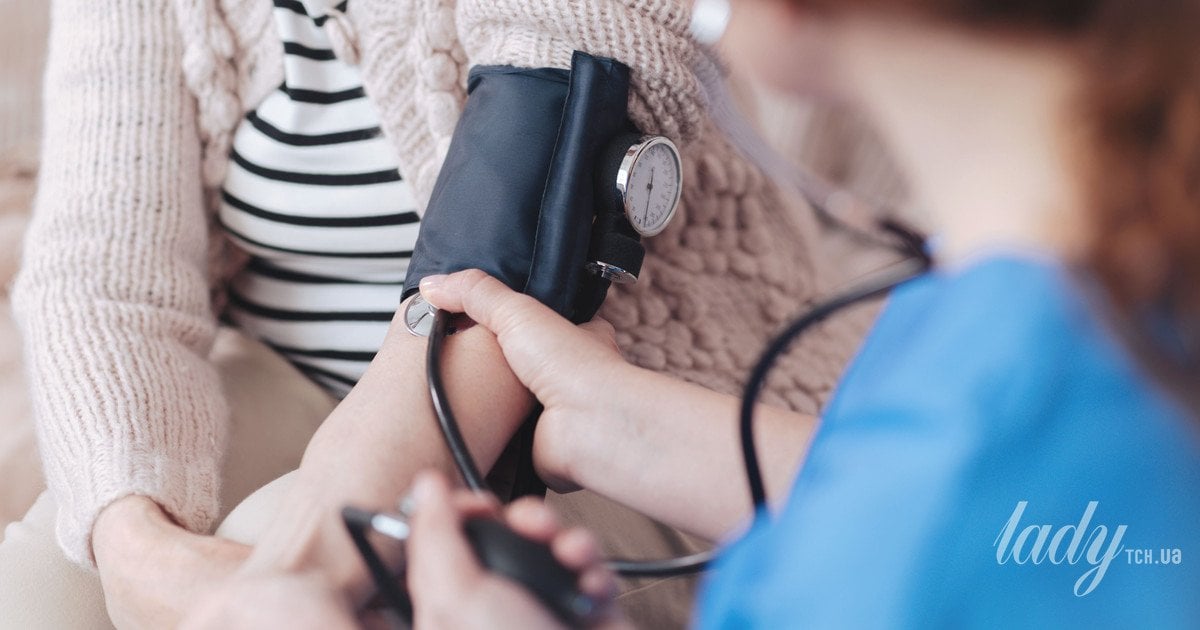 🩺Health
Photo: TSN
Key points
- Improper arm position can inflate pressure readings by up to 6.5 mmHg.
- The arm must be supported on a table at heart level for accuracy.
- False readings lead to unnecessary medication and potential health risks.
Many believe that using an automated blood pressure monitor is a simple technical task: wrap the cuff, press a button, and read the display. However, a study by the Johns Hopkins Medical Center proves that even the most advanced devices can yield incorrect results due to improper posture. The study, involving 133 adults, demonstrated that arm position directly affects the readings, potentially leading to a false diagnosis of hypertension.
The Impact of Posture on Readings
Researchers found that if the arm hangs freely at the side during measurement, systolic pressure is over-reported by an average of 6.5 mmHg. Even resting the arm on one's lap results in readings nearly 4 mmHg higher than the actual value. This discrepancy is caused by muscle tension and hydrostatic pressure: when the cuff is positioned below heart level, the weight of the blood column adds to the pressure measured against the vessel walls.
Risks of Misdiagnosis
While a few millimeters of mercury might seem trivial, in clinical settings, they often represent the line between a healthy state and a pathological one. Inaccurate measurements can lead to the prescription of unnecessary antihypertensive medications. These drugs can cause adverse effects such as dizziness, falls, and impaired kidney function in patients who do not actually have high blood pressure. Since hypertension often shows no symptoms, precise monitoring is vital.
How to Measure Correctly
Experts recommend following these steps to ensure your monitor reflects your true circulatory health:
- Preparation: Rest for five minutes in a quiet environment without talking or using a phone.
- Body Position: Sit in a chair with back support, feet flat on the floor, and legs uncrossed.
- Arm Placement: Place your forearm on a stable table so the center of the cuff is at heart level.
- Relaxation: Keep the arm completely relaxed and do not clench your fist during the process.
Additionally, cuff size is crucial; a cuff that is too tight can artificially inflate the results. While wrist monitors and smartwatches are popular, validated upper-arm automated devices remain the most reliable choice for home use.
Source TSN — tsn.ua/ukrayina/zdorovya/tonometr-pokazuye-vysokyy-tysk-cherez-odnu-pro… ↗
Read next
 🏙️City
Energy Crisis: Special Emergency Power Outages Introduced in Zaporizhzhia Region
Due to a difficult situation in the power grid and previous enemy shelling, emergency electricity restriction schedules have been applied in the Zaporizhzhia region.
 💼Economy
How to Choose Sweet Tangerines at Grocery Stores: Practical Shopping Tips
With the citrus season underway, grocery shelves are filled with fruits, but not all of them are sweet. Experts share how to select ripe and juicy tangerines.
 🛡️Security
Poland Investigates Fallen Russian Kh-101 Missile: Found to Be Brand New
Polish investigators revealed details about a Russian cruise missile that fell in the Lublin Voivodeship, confirming it was manufactured shortly before the launch.
 🏙️City
Mars 'forest': NASA explains the optical illusion on the Red Planet
A NASA spacecraft captured formations resembling trees on the Martian north pole, but scientists have uncovered the geological secrets behind this visual effect.
 ⚽Sport
Medical staff responds to Mudryk doping claims in Ukraine national team
The medical staff of the Ukraine national football team has rejected allegations made by player Mykhailo Mudryk regarding the potential presence of meldonium in his syste…
 💼Economy
US Imposes Limits on Defense Ties with Canada Amid Trade Tensions
Pentagon Chief Pete Hegseth has issued a secret directive restricting defense relations between the US and Canada, primarily affecting informal military contacts.