Microplastics in water: new study reveals hidden chemical threat
Scientists have discovered that microplastics can be chemically active, triggering the formation of dangerous molecules upon contact with water.
 🩺Health
Photo: TSN
Key points
- Microplastics generate reactive oxygen species upon contact with water.
- Cell damage has been confirmed through laboratory experiments.
- Heating plastic accelerates the release of dangerous particles.
- Polyethylene and polypropylene are the most chemically active types of plastic.
Microplastics, which we are accustomed to considering passive environmental pollutants, have proven to be significantly more dangerous. A study conducted by experts at Columbia University and the University of California, Berkeley, has demonstrated that plastic particles are capable of engaging in active chemical reactions directly in water.
Chemical reaction at the interface
During interaction with water, reactive oxygen species form on the surface of plastic fragments. These compounds, particularly hydroxyl radicals, are capable of damaging protein structures and DNA. Polyethylene and polypropylene proved to be the most active in this process, while PET materials showed slightly lower activity.
Researchers emphasize that the danger increases as plastic degrades: the smaller the particles, the larger the surface area available for chemical processes. Experiments on mouse cells confirmed that contact with such fragments can lead to the destruction of red blood cells.
Residents of Vynnyky should pay attention to household habits that accelerate plastic degradation. Heating containers in microwaves and storing bottles in direct sunlight promote the release of tiny particles that may be potentially harmful to health.
Source TSN — tsn.ua/zdorovya/mikroplastyk-vyiavyvsia-nebezpechnishym-niz-vvazaly-shc… ↗
Read next
 👥Society
Tragedy in the Carpathians: Ukrainian national found dead in Romanian mountains after illegal border crossing
Search and rescue teams in Romania's Maramureș mountains discovered the body of a Ukrainian citizen who got lost after crossing the border illegally. Two other men were s…
 ⚽Sport
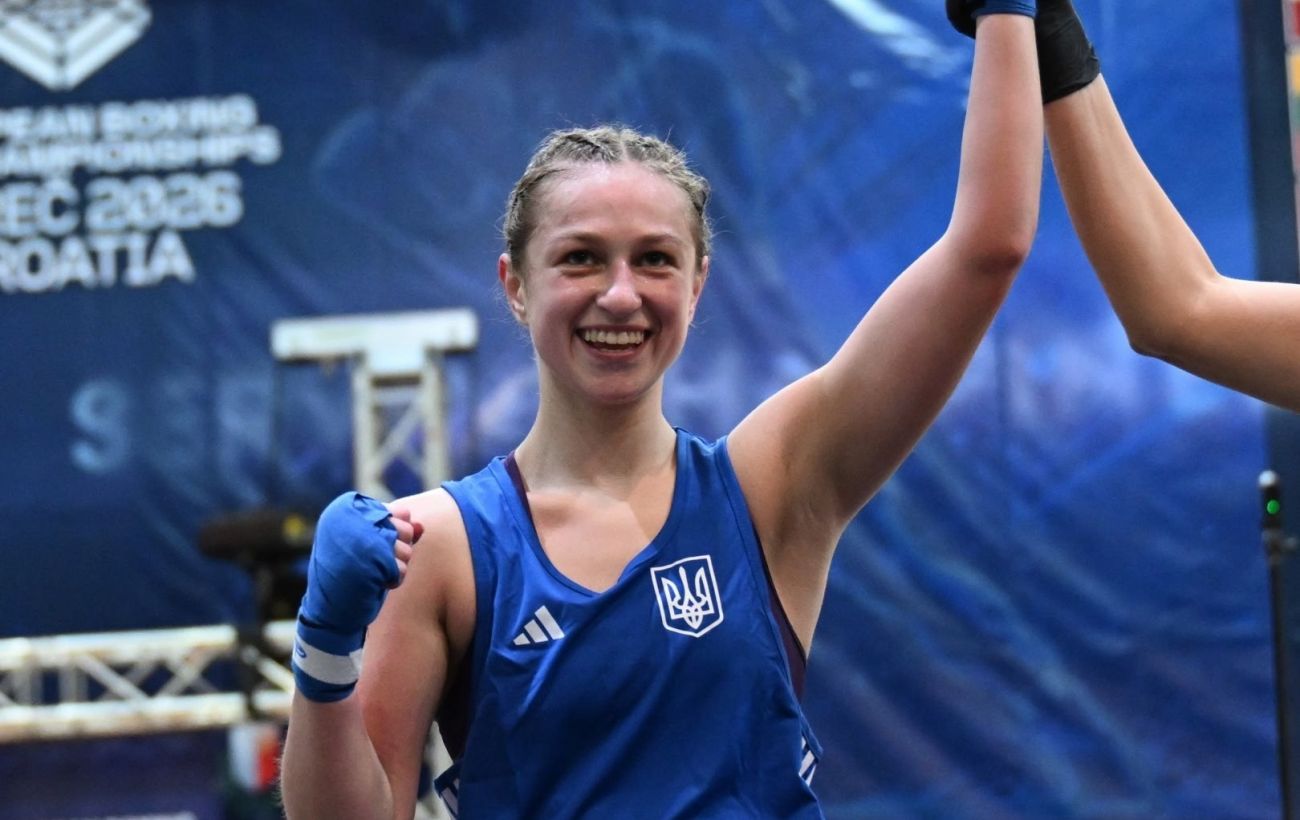
Ukrainian boxer Sofiia Turbinina wins bronze medal at the U23 European Championship
Ukrainian athlete Sofiia Turbinina secured a bronze medal at the U23 European Boxing Championship held in Poreč, Croatia.
 💼Economy
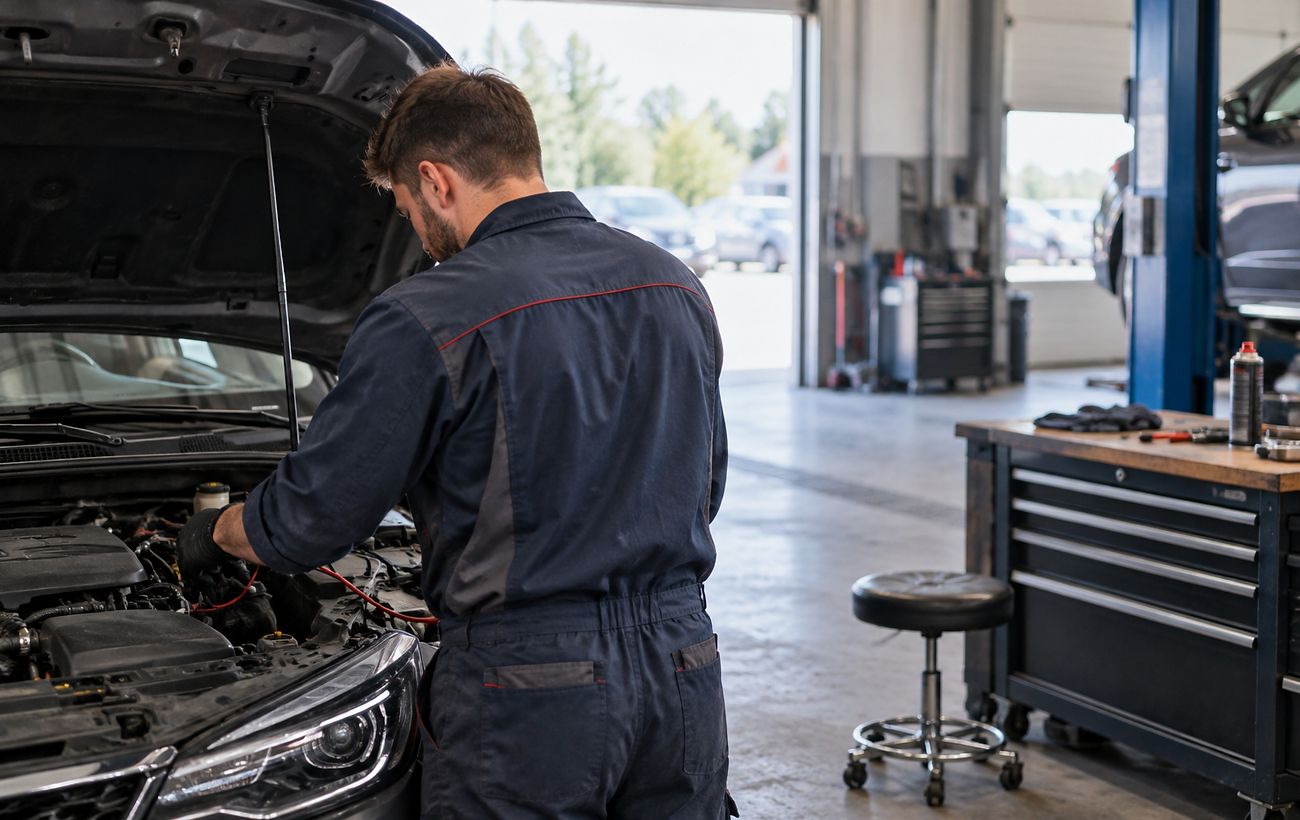
Labor market shortages: which professions remain scarce in Ukraine despite high salaries
The Ukrainian labor market continues to face an acute shortage of personnel in manufacturing, construction, and automotive services. Even job offers exceeding 60,000 hryv…
 🇺🇦Ukraine
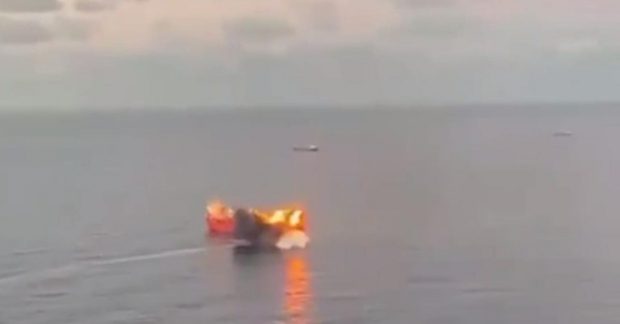
Another Russian Vessel Attacked Off the Coast of Libya
Naval drones have reportedly struck a Russian vessel carrying military equipment near the port of Benghazi in eastern Libya.
 🏙️City
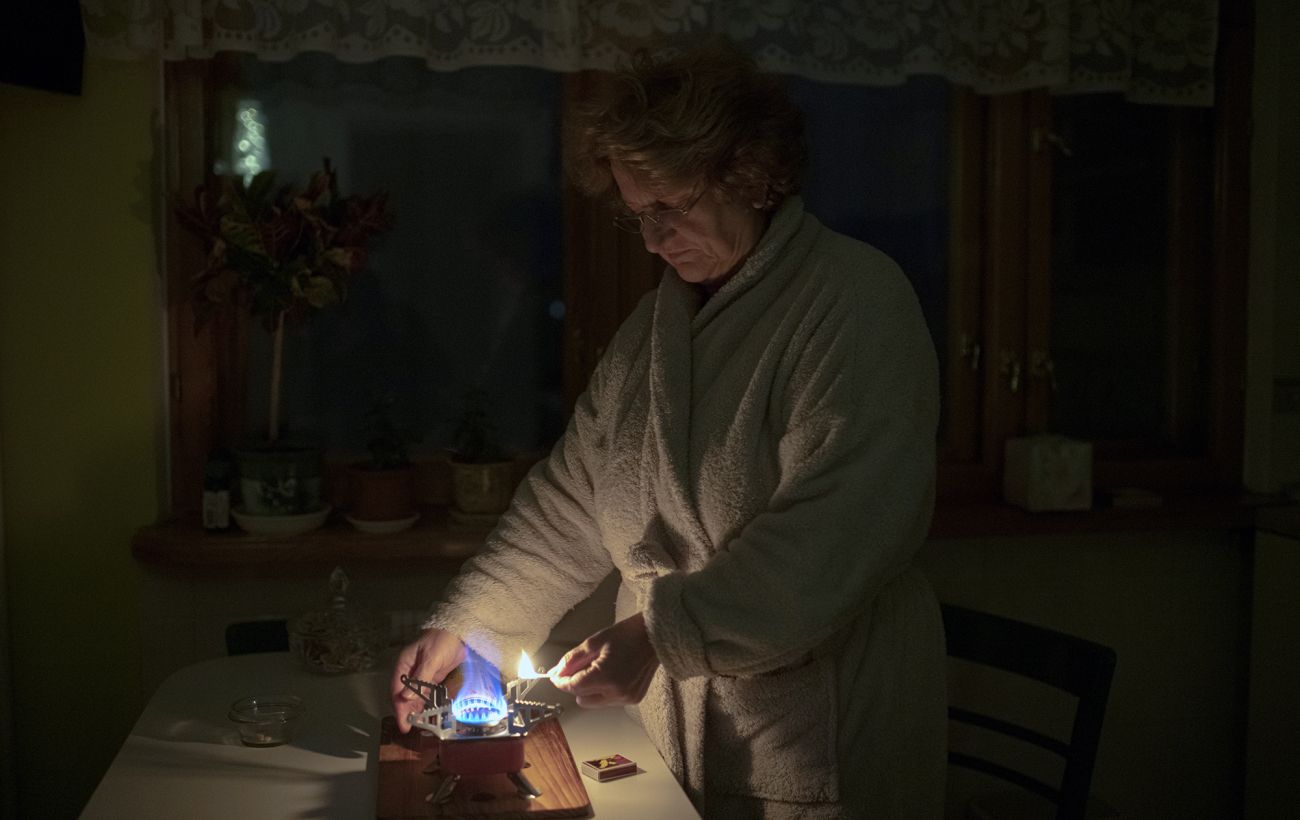
Emergency Power Outages Introduced in Several Regions Following New Energy Strikes
Emergency power restrictions have been implemented across multiple Ukrainian regions following fresh attacks on energy infrastructure.
 🏙️City
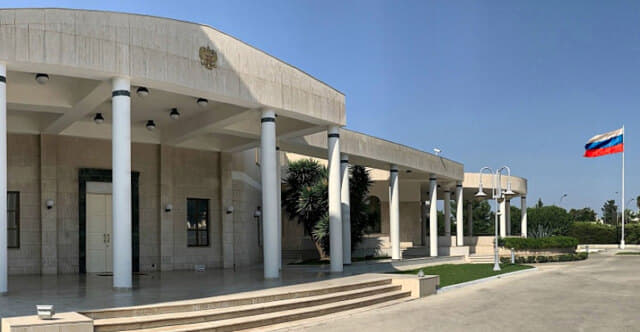
Cyprus expels two Russian diplomats over espionage and sanctions evasion suspicions
Cypriot authorities have expelled two Russian diplomats suspected of espionage and attempting to access sensitive EU security technologies.