A Unique Discovery: How a Chance Find Changed European History
A chance discovery during excavation work in Varna revealed the world's oldest processed gold, rewriting the history of prehistoric civilizations.
 🎭Culture & Sport
Photo: UNIAN
Key points
- Discovery of the Varna Necropolis in 1972
- Over 3,000 Copper Age gold artifacts recovered
- Evidence of social hierarchy in the 5th millennium BC
A Discovery That Changed Archaeology
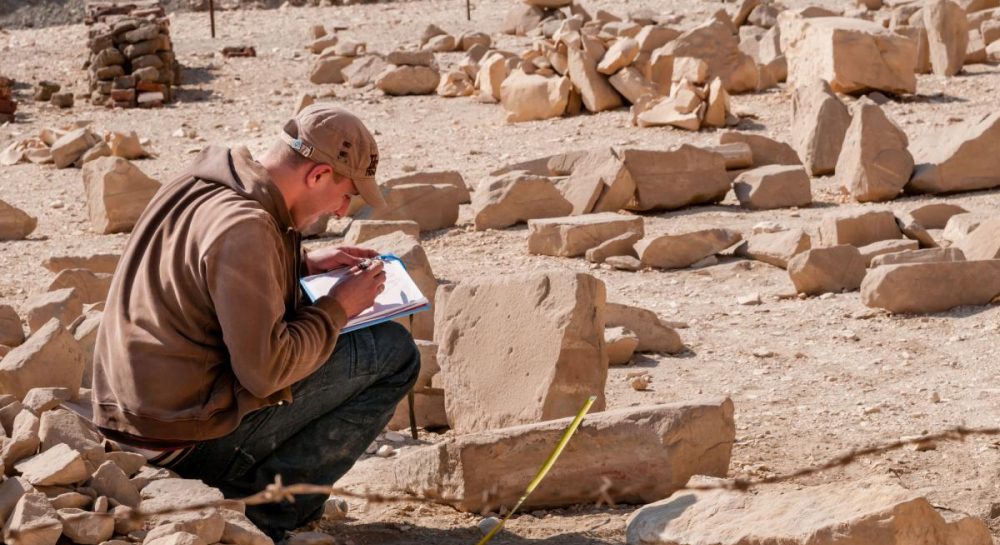
In 1972, near the Bulgarian city of Varna, a 22-year-old excavator operator stumbled upon artifacts while digging a trench that were later recognized as the oldest gold treasure in the world. Initially, the worker did not realize the historical value of the find, but he soon handed it over to experts in exchange for a reward.
The Varna Necropolis: Evidence of Social Inequality
At the site of the discovery, archaeologists excavated a Copper Age necropolis, examining about 300 graves. In 62 of them, over 3,000 gold items weighing approximately 6 kilograms were found. These artifacts date back to the period between 4600 and 4200 BC.
Scientists were particularly intrigued by burial No. 43, which contained the remains of an elderly man surrounded by a significant number of gold ornaments and a scepter. Such a concentration of wealth in one place points to the existence of a developed social hierarchy in a prehistoric society that existed long before the rise of Egypt or Mesopotamia.
Source UNIAN — unian.ua/science/zoloto-v-bolgariji-hlopec-znayshov-skarb-iz-naydav… ↗
Read next
 🏛️Politics
Jared Kushner Outlines Trump's Conditions for Security Guarantees for Ukraine
Jared Kushner, special representative for Donald Trump, stated that the US might consider providing Ukraine with security guarantees similar to NATO's Article 5.
 👥Society
Why you should eat sardines with bones: expert advice
Experts explain that removing soft bones from canned sardines significantly reduces the nutritional value of the product, specifically its calcium content.
 🏙️City
Jared Kushner announces upcoming security architecture talks for Ukraine
US Special Representative Jared Kushner stated that multilateral talks involving Ukraine, the EU, and Russia will begin soon to establish new security agreements.
 🇺🇦Ukraine
Media report drone attack on Russian corvette in Libya
The Russian warship 'Mercury' sustained significant damage during an incident in the port of Benghazi. International reports suggest potential involvement of Ukrainian mi…
 🇺🇦Ukraine
Diplomatic Maneuvers Surrounding Ukraine: Positions of Washington, Beijing, and Europe
The Donald Trump administration aims to end the Russia-Ukraine war by early 2027, but European leaders reject ideas of new spheres of influence.
 🇺🇦Ukraine
Investigation into Poland incident: three Russian Kh-101 missiles identified
Polish investigators have confirmed that three Russian cruise missiles violated the country's airspace, rather than two as previously reported.