The Crisis of Centralization: Why the French Experience is a Lesson for Local Communities
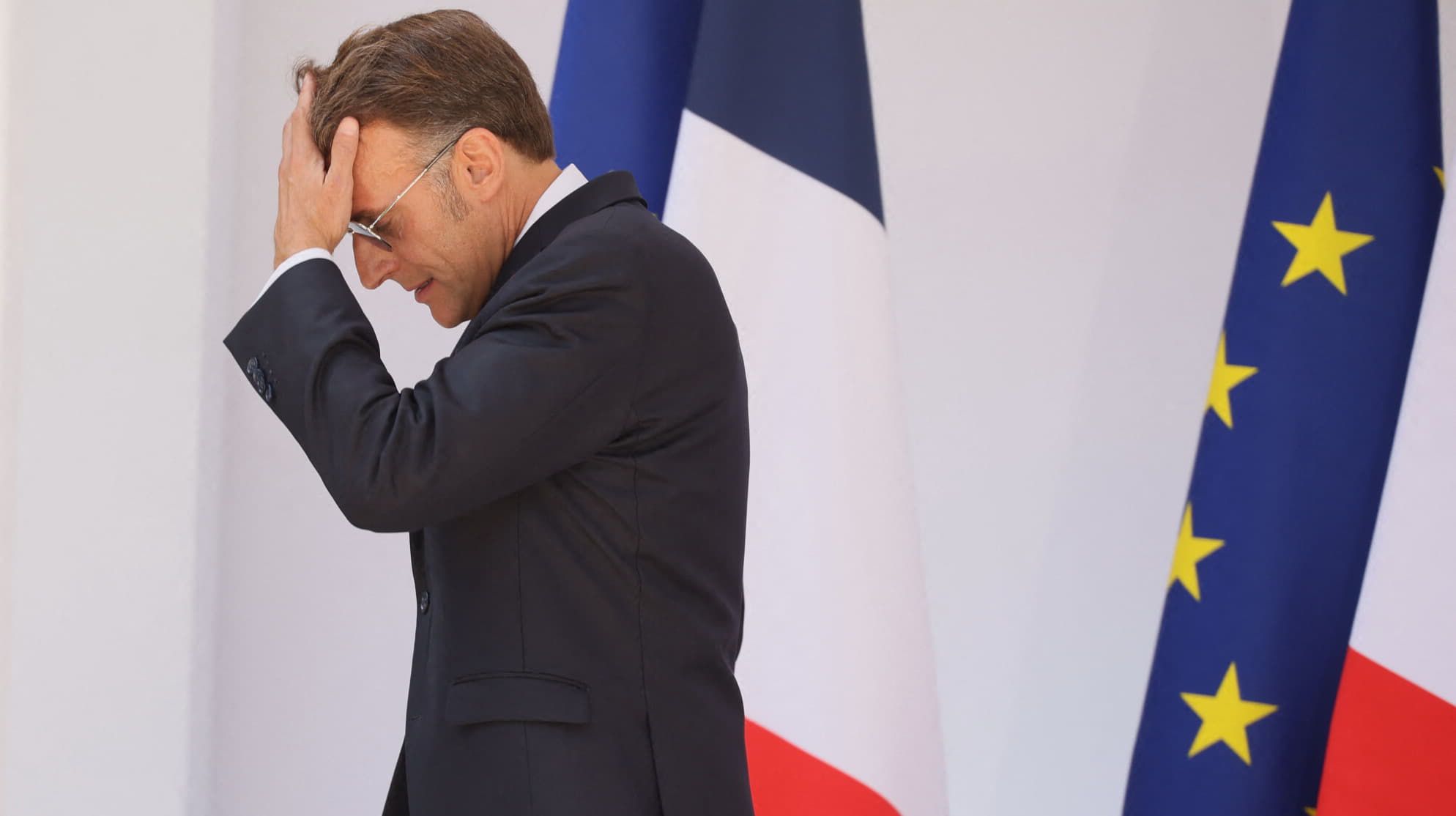
French President Emmanuel Macron faces a political failure after marginalizing mayors and regional leaders in his top-down governance model.
 🏙️City
Photo: Ukrainska Pravda
Key points
- Emmanuel Macron is losing control over the political situation in France.
- A key failure was the marginalization of mayors and regional governance.
- The rise of radicals threatens the French political system due to centrist isolation.
France has entered a period of profound social and political crisis that President Emmanuel Macron can no longer contain. His ambitious centrist project, which aimed to modernize the country, now appears increasingly isolated. With less than six months until the elections, the nation is bracing for a potential showdown between Marine Le Pen's far-right forces and Jean-Luc Mélenchon's radical left. This decline is not merely a result of economic hardship but stems from a governance style that effectively excluded local authorities from the decision-making process.
The Historical Trap of French Leadership
Macron's political decline is not an isolated event but rather follows a pattern within the Fifth Republic. Since 1962, nearly every French president has ended their term poorly. Charles de Gaulle resigned after a failed referendum, Valéry Giscard d'Estaing succumbed to economic woes, and François Hollande declined to run for a second term with an approval rating of just 4%. Macron sought to break this cycle but ultimately repeated his predecessors' mistakes by attempting to rule with a "monarchical" approach.
A critical strategic error was Macron's dismissal of "intermediate bodies" — mayors, departments, and regions. He believed that direct legitimacy from the people allowed him to implement reforms from the top down without engaging local leaders. During his tenure, he appointed 176 ministers, yet most lacked real influence as power remained concentrated in the Elysée Palace. This created a significant disconnect between Paris and the rest of the country's communities.
The Threat of Radicalization and the Future of the System
The lack of a robust party structure turned the "En Marche" movement into little more than an election headquarters rather than a lasting political foundation. Now, centrism risks being replaced by movements that also lean toward authoritarianism. Both Marine Le Pen and Jean-Luc Mélenchon believe that the sovereignty of "the people" should not be filtered through institutional intermediaries. While Mélenchon calls for a Sixth Republic, his leadership of his own party suggests a preference for rigid centralization.
"France is a republic that loves to have kings, but eventually grows tired of them and tries to behead them," analysts often note regarding the nation's political culture.
The current state of France serves as a warning for all of Europe. Moving away from dialogue with local governments and attempting to run a country like a corporation has left traditional political parties in ruins, leaving a vacuum for radicals to fill. For a democracy to remain stable, power must have a broad support network at the city and community levels, rather than being confined to the capital.
Source Ukrainska Pravda — pravda.com.ua/columns/2026/11/19/8063587/ ↗
Read next
 🛡️Security
Lviv region raises UAH 60 million to support Ukrainian defenders
A charity auction in the Lviv region has successfully raised 60 million UAH to purchase drones and assist in the rehabilitation of a wounded soldier.
 🏛️Politics
Russian missiles and drones violate Polish airspace: Warsaw responds
Polish authorities have identified the incursion of Russian missiles and a drone into their territory as a deliberate provocation during attacks on Ukraine.
 🛡️Security
Massive UAV Attack: Enemy Deploys Jet-Powered Drones
On the night of November 23, Ukraine faced a large-scale drone attack coming from multiple directions.
 🛡️Security
Investigation of the incident in Poland: new details about Russian missiles revealed
Polish prosecutors confirmed that three Russian X-101 missiles, manufactured in late 2026, breached the country's airspace.
 🛡️Security
Tragedy in Dymer: Death toll from Russian attack rises to seven
Rescuers have recovered the body of another victim from the rubble of a destroyed building in Dymer, Kyiv region.
 🏛️Politics
Donald Trump threatens Iran with new military strikes after the holidays
President Donald Trump has warned of potential military action against Iran, dismissing current diplomatic efforts as ineffective.